Why Good Intentions Around Slow Reading Often Fail at Daily Reset

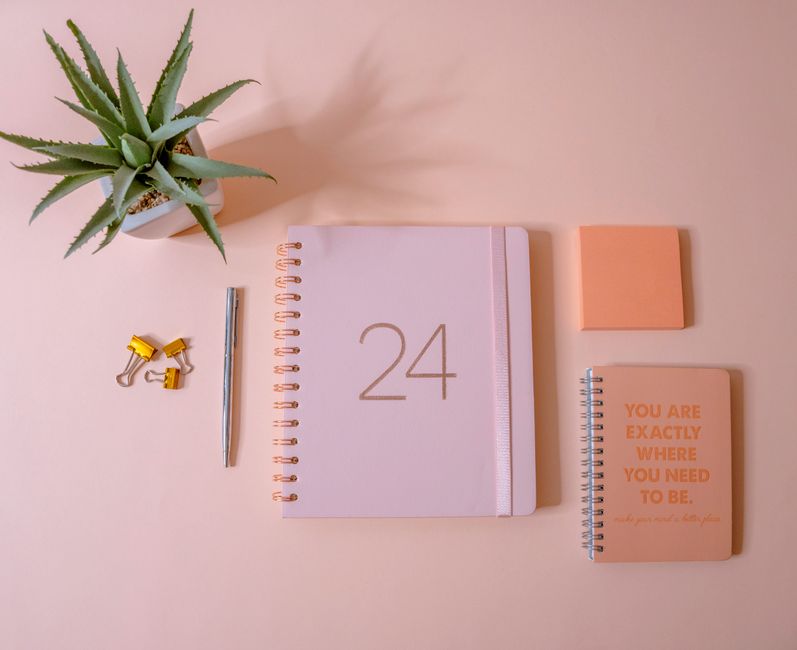
As the clock edges toward 6 PM, the kitchen counter is cluttered with remnants of a hasty breakfast: a half-empty coffee cup, a crumpled napkin, and the closed planner that hasn’t seen any attention since Monday. The evening routine, meant to usher in a moment of slow reading for enjoyment, feels more like a race against time. The alarm, set for an earlier wake-up, is still across the room, a reminder of the morning's chaos. This small detail, the distance of the alarm, often leads to a skipped weather check, leaving the apartment dweller unprepared for the evening chill that arrives unexpectedly.
In the flurry of getting home, the intention to unwind with a book often gets lost amid the distractions of daily life. The planner remains closed on the table, a silent witness to the missed opportunities for reflection and planning. Without that moment to check the weather or review the day’s tasks, the transition to a slower pace is disrupted. As the evening unfolds, the setup relies too heavily on motivation, which can easily wane after a long day. Recognizing these friction points is crucial for creating a consistent habit of slow reading that enhances enjoyment rather than feeling like an afterthought.
The Evening Routine That Should Work
Walking through the door after a long day, the apartment dweller drops their keys on the kitchen counter, the familiar clink echoing in the quiet space. The intention to unwind with a book is overshadowed by the clutter of the day. Dinner prep begins with a quick glance at the fridge, where half a bell pepper and some leftover rice await attention. The plan is to whip up a stir-fry, but the first step often gets lost in the shuffle.
Before diving into cooking, a weather check is crucial. However, it’s easy to skip this, especially when the planner lies closed on the table, a reminder of the day’s unfinished tasks. Without checking the forecast, the evening can turn unexpectedly chilly, making that cozy reading nook less inviting. To counter this, placing the planner next to the keys could serve as a visual cue for a quick review of the day’s events and the weather. This small adjustment can help establish a smoother transition into the evening routine, where the setup for slow reading becomes a priority rather than an afterthought. Yet, the reliance on motivation to create a cozy atmosphere often falters, especially when the evening feels rushed. Recognizing these friction points allows for a more intentional approach to enjoying reading as the day winds down. Where the Routine Breaks Down Standing in the kitchen at the end of a long weekday, the planner sits closed on the counter, a clear sign of drifting away from the intended evening routine. Without opening it, the day’s tasks and the weather check remain unaddressed, leading to a chaotic transition into the evening. This lack of structure not only disrupts the flow but also sets the stage for missed reading opportunities.
- The weather check is skipped, leaving the evening unprepared for a cozy reading session.
- With the planner closed, important reminders about the evening’s setup are forgotten.
- The absence of a visible cue to check the planner leads to a rushed atmosphere, where reading feels like an afterthought.
As the clock ticks closer to evening, the decision to skip these checks results in an uninviting environment for slow reading. If the planner were placed next to the coffee maker, it could serve as a prompt to review the day and the weather before diving into evening activities. This simple adjustment could help streamline the transition, ensuring that the cozy reading nook is not only inviting but also prepared for enjoyment.
Why the Same Mistakes Keep Happening
This same friction shows up again in Everyday Life In The, especially when the day tightens unexpectedly.
Evening routines often falter when they rely too heavily on motivation. After a long day, the energy to reset and prepare for slow reading can wane. For example, as you stand at the cluttered kitchen counter, the planner sits unopened, buried under yesterday's mail and a half-finished cup of coffee. This visual chaos creates distractions, making it easy to overlook the planner and the cues it holds for a peaceful evening.
The hidden cause of this friction is the lack of a consistent trigger to check the planner. Without a clear visual cue, such as placing the planner next to the coffee maker, important reminders about the evening's setup are forgotten. As a result, the transition to reading feels rushed and uninviting. The clock ticks closer to evening, and instead of a cozy nook, the space remains unprepared for enjoyment.
When the weather check is skipped, the evening can turn unexpectedly chilly, leaving you unprepared with a blanket or a cup of tea. This small oversight compounds the feeling of disarray, making it harder to settle into a slow reading pace. The tradeoff here is significant: without a simple adjustment to your environment, the evening routine drifts into chaos, and the opportunity for slow reading slips away. By making the planner visible and accessible, you set a clear intention for your evening, paving the way for a more enjoyable reading experience.
A Simple Correction to Change the Flow
A slightly different version of this problem appears in Daily Routines Real Life, where the sequence changes but the hidden drag feels familiar.
Evening routines often slip into disarray, especially when the planner remains closed on the kitchen counter, hidden beneath a stack of mail. This small oversight can derail the transition to slow reading, leaving you scrambling at the last minute. To counter this, place the planner in a more visible location, such as next to the coffee maker. This simple adjustment serves as a daily reminder of your evening plans, ensuring you don't overlook important tasks that prepare you for a cozy reading session.
Another effective strategy is to set an alarm across the room, prompting you to dedicate time to reading. When the alarm goes off, it not only signals a shift in focus but also requires you to physically get up and engage with the space. This movement creates a mental cue that reading time has begun, separating it from the chaos of the day. The act of standing up and walking to your reading nook helps to mentally transition from the busyness of the kitchen to the calm of your reading space.
These adjustments might seem minor, but they can significantly alter the flow of your evening. By making the planner visible and setting a physical alarm, you establish a routine that fosters consistency. This small correction enables a smoother transition into the slow reading you cherish, transforming an evening filled with distractions into one that invites enjoyment.
What Changes Once That Fix Repeats
Placing the planner on the kitchen counter instead of leaving it closed on the table creates a noticeable shift in your evening routine. When it’s visible, you’re more likely to glance at it while preparing dinner or washing dishes. This simple action serves as a reminder of your reading goals, nudging you to prioritize that time before the day slips away. The act of opening the planner also prompts you to check your schedule, which can help you allocate a specific time block for reading.
As you start to integrate this visibility into your routine, the transition to slow reading becomes smoother. Instead of rushing through the evening, you might find yourself setting aside a solid half-hour to unwind with a book. The weather check, often skipped in the chaos of the evening, becomes a part of this process. With a quick glance at the planner, you remember to check if you need a sweater for your reading nook. This small adjustment not only prepares you for comfort but also reinforces the habit of transitioning into your reading time.
Next time you sit down with your book, the environment feels different. The planner’s presence creates a mental cue, making it easier to step away from distractions like unfinished tasks or lingering kitchen messes. The evening no longer feels like a race against time; instead, it becomes a dedicated space for enjoyment. By consistently placing the planner where you can see it, you cultivate a routine that invites slow reading back into your life.
As you navigate through the evening, the temptation to skip the weather check can lead to discomfort later. If the planner remains closed on the kitchen counter, it’s easy to forget about the sweater you might need. This simple act of placing the planner in a visible spot can serve as a reminder, nudging you to prepare for a cozy reading session. When you take a moment to glance at your planner before settling down, you create a smoother transition into your slow reading time.
To enhance this evening routine, consider setting your alarm across the room. This forces you to get up, creating a physical break from the day’s chaos and allowing you to engage with your surroundings. By making these small adjustments, you can reclaim the evening for enjoyment, ensuring that slow reading doesn’t just happen but becomes a cherished part of your life structure.


Comments
Post a Comment