The Evening Reset: What Slips First in Your Slow Reading Routine?
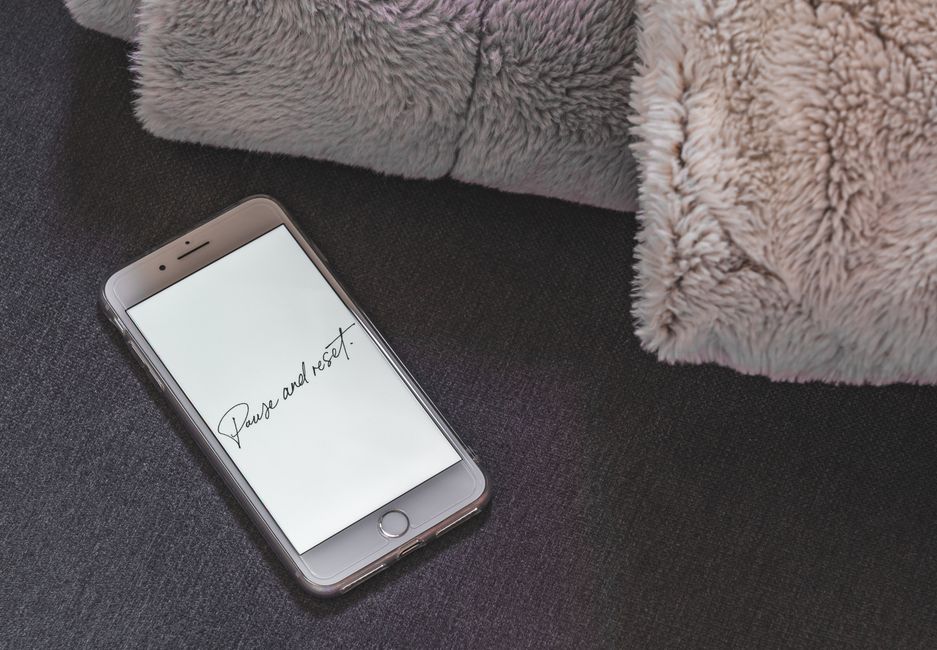
As the clock edges toward bedtime, the bedside table becomes a cluttered landscape of half-read books and a closed planner, remnants of a day that slipped through fingers like sand. After the chaos of pickup and dinner, the evening routine often feels like a race against time. A quick glance at the phone reveals a notification that pulls attention away, a reminder of unfinished tasks that disrupt the calm needed for slow reading. The moment is ripe for a reset, yet the layers of the day’s demands linger, making it hard to settle into a book.
In this familiar scene, the act of laying out clothes for the next day becomes a small but crucial step that often gets overlooked. The planner sits untouched, its pages filled with intentions that remain unfulfilled. As the evening progresses, the desire to dive into a novel clashes with the reality of distractions. Each notification feels like a small interruption, fracturing the quiet needed to immerse oneself in a story. The friction lies not just in the noise of the day but in the subtle choices that lead to an evening routine where slow reading slips away.
The Evening Routine in Motion
The bedside table is cluttered with remnants of the day: a half-finished cup of tea, a stack of unread mail, and the planner, its pages still closed, waiting for attention. As the clock ticks toward bedtime, the familiar rhythm of the evening routine begins. The children are finally settled, but the day’s chaos lingers, and the phone buzzes with notifications, each one a reminder of tasks left undone. It’s in this moment that the struggle to carve out time for slow reading becomes palpable.
Before diving into a book, a small but essential step is laying out clothes for the next day. This action not only clears the mind but also signals a shift from the busyness of the day to the calm of the evening. As the fabric is smoothed out on the chair, there’s a brief moment of satisfaction, yet the planner remains untouched, a symbol of intentions that often fade into the background. The act of preparing for tomorrow is interrupted by a notification that flashes on the screen, pulling focus away from the cozy anticipation of reading.
Checking off this small task can feel like a victory, but it’s easy to overlook. A quick glance at the phone reveals a message that demands immediate attention, and just like that, the opportunity for a peaceful reading session slips away. The friction lies in these tiny disruptions that compound throughout the evening, making it hard to settle into a story. The desire to read is still there, but the layers of the day’s demands create a barrier, leaving the evening routine feeling incomplete.
Where the Routine Starts to Slip
As the evening settles in, the bedside table becomes a cluttered reminder of the day’s chaos. A small habit of laying out clothes for the next day is often the first step in transitioning from the busyness of the day to a moment of calm. However, it’s easy to overlook this simple action when the demands of parenting pull you in different directions. The planner, usually opened to outline tomorrow’s tasks, remains closed, a silent witness to intentions that fade into the evening’s distractions.
Just as you reach for the clothes, a notification buzzes from your phone, breaking the fragile focus. This interruption can feel minor, but it’s often the tipping point. You check the screen, thinking it’s just a quick look, but the message requires more attention than anticipated. Suddenly, the clothes are forgotten, and the cozy anticipation of settling down with a book dissipates. The evening routine falters, and the opportunity for slow reading slips away, replaced by the pull of digital demands.
Before leaving the room, a quick check of the planner could serve as a grounding moment, but it’s easy to skip. Instead, you find yourself scrolling through messages, losing sight of the evening reset. The small habit of preparing for tomorrow becomes overshadowed by the immediate needs of the moment. In this way, the evening routine not only becomes incomplete but also highlights how easily the desire for enjoyment in reading gets buried under the weight of everyday interruptions.
A slightly different version of this problem appears in Daily Routines Real Life, where the sequence changes but the hidden drag feels familiar.
Why the Friction Occurs
After a chaotic day, the evening routine often feels like a race against time, especially when the kids are finally settled. You glance at the bedside table, where the closed planner sits, a reminder of tomorrow's tasks. The intention to prepare for the next day is there, but the steps to achieve it seem to vanish in the flurry of dinner clean-up and bedtime stories. Laying out clothes for the morning is a small habit that could ease the next day’s chaos, yet it often gets overlooked in the rush to find a moment of quiet.
A phone notification interrupts the reset, pulling your attention away from the cozy anticipation of slow reading. What starts as a quick glance turns into a longer engagement as you scroll through messages, losing track of time. This distraction, though seemingly minor, derails the evening's flow. The clothes you intended to lay out remain untouched, and the chance to unwind with a book fades as digital demands take precedence. The hidden step of checking the planner before leaving the room could have anchored your thoughts, but instead, you find yourself caught in a web of notifications, highlighting how good intentions alone can't overcome the friction of everyday interruptions.
A Simple Adjustment to Regain Focus
Evening routines can quickly spiral into chaos, especially after a day filled with parenting duties. As you stand by the bedside table, the planner remains closed, a silent witness to your intentions. In the rush to settle down for the night, the simple act of laying out clothes for the next day often slips through the cracks. This small habit could streamline your morning, but it’s the first thing to go when the evening feels overwhelming.
As you reach for your phone, a notification buzzes, pulling you back into the digital world. What was meant to be a brief check morphs into a scrolling session, where messages and updates distract you from the cozy anticipation of diving into a book. Instead of laying out tomorrow’s outfit, you find yourself caught in a cycle of notifications, losing precious time meant for slow reading. A quick glance at the planner could have anchored your thoughts, reminding you to prioritize laying out those clothes before leaving the room. Yet, in the moment, the allure of the screen outweighs the quiet call of your evening routine.
To reclaim that focus, consider a simple adjustment: set a timer for five minutes dedicated solely to your evening reset. This small sequence change can create a boundary, allowing you to prioritize laying out clothes while minimizing distractions. When the timer goes off, you can check your phone, but only after you’ve completed that essential step. By establishing this clear order, you create a smoother transition into your slow reading time, ensuring that the evening doesn’t slip away into digital noise.
Carrying the Adjustment Forward
This same friction shows up again in Everyday Life In The, especially when the day tightens unexpectedly.
After a long day, the bedside table often becomes a cluttered catch-all, with a phone, a half-open planner, and a pile of clothes waiting to be sorted. When you finally sit down to reset your evening routine, it’s easy to overlook the small task of laying out tomorrow’s outfit. Instead, the phone buzzes with notifications, pulling your attention away from the clothes that need to be prepared. This distraction can derail your slow reading time, which you had hoped to enjoy before bed.
To combat this, consider placing the planner in a more visible spot on the bedside table, directly next to your phone. This simple adjustment makes it more likely that you’ll check it before diving into your notifications. By prioritizing the act of laying out clothes first, you create a small but significant shift in your evening flow. Once the clothes are laid out, you can take a moment to breathe and center your thoughts, allowing for a smoother transition into your reading time.
As you complete this small task, the evening feels less chaotic, and it’s easier to settle into your book. The act of preparing for the next day can clear your mind, making it more receptive to the enjoyment of reading. However, if the phone continues to demand your attention, you might find that the quiet moments slip away, leaving little time for the slow reading you cherish. This ongoing friction highlights the need for consistent habits in your weekday routine. The challenge remains: how to maintain focus on reading when the evening is filled with demands and distractions.
As you settle into the evening, the phone's persistent notifications can easily disrupt your reading intentions. Each ping pulls you away from the calm you seek, making it harder to dive into a book. The planner, still closed on your bedside table, serves as a reminder of the tasks left undone, but it also represents a missed opportunity to create a buffer between the day’s chaos and your reading time.
Before you slip into that familiar routine of checking your device, take a moment to lay out tomorrow’s clothes. This simple action can serve as a mental reset, allowing you to shift your focus back to the present. With your clothes ready for the morning, you create a small yet significant barrier against distractions, making it easier to embrace the slow reading you value. The question remains: how do you keep that focus when the evening is filled with demands? Perhaps it starts with that one check before leaving the room, ensuring your environment supports the enjoyment you crave.



Comments
Post a Comment