Resetting Your Weekday Routine for Slow Reading Enjoyment

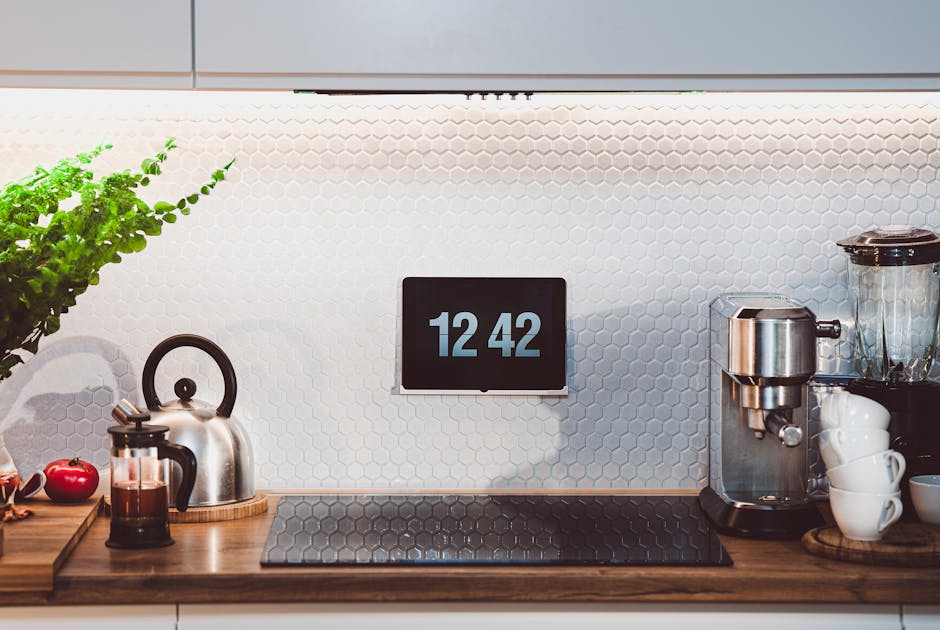
On a typical weekday morning, the kitchen counter is cluttered with reminders of the day ahead: a half-packed bag, a coffee cup waiting to be filled, and work clothes still draped over the chair. As the clock ticks closer to the start of the workday, the intention to carve out time for slow reading slips further away. The book that was supposed to provide a moment of enjoyment now sits unopened, overshadowed by the pressing need to get dressed and leave the house.
This friction often stems from a reliance on motivation rather than a structured routine. Packing the bag becomes a last-minute scramble, with items tossed in haphazardly. The umbrella, which should be placed by the door for easy access, remains forgotten on the counter. This small oversight compounds the rush, leaving little room for the calm, deliberate pace that slow reading demands. Adjusting the evening routine to include a simple checklist could alleviate this chaos, ensuring that the book is not just an afterthought but a prioritized part of the day.
The Moment Before Leaving: Where Intentions Fade
The kitchen counter is a jumble of work clothes, bags, and half-eaten breakfast. As the clock ticks toward the start of the workday, the remote worker feels the familiar rush. Notifications ping on their phone, pulling attention away from the book resting on the table, a book intended for that fleeting moment of slow reading. Instead of savoring a few pages, the time slips away, consumed by the need to dress and pack for the day ahead.
In this chaotic setup, the act of packing the bag often becomes a frantic last-minute effort. The umbrella, which should be a simple grab-and-go item, remains on the counter, a reminder of the disorganized routine. Each item gets tossed into the bag without thought, and the book is left behind, overshadowed by the urgency of the moment. Moving just one task to the evening routine, like laying out work clothes the night before, could ease this friction. A simple checklist could ensure that the book is prioritized, not just an afterthought, allowing for a smoother transition into the day.
The First Sign of Routine Slippage
As the clock ticks closer to departure, the kitchen counter becomes a battleground of half-packed items. The work clothes, still draped on the chair, cling to the worker longer than intended. This delay is not just about getting dressed; it’s a moment where the intention to read during the commute fades into the background noise of morning chaos. Glancing at the table, the book lies untouched, a silent witness to the fraying edges of the routine. With each passing minute, the urgency grows, and the thought of slow reading slips further away, replaced by the immediate need to pack.
In this rush, the worker realizes they haven’t even placed the book in the bag yet. The umbrella, which should have been moved to the door the night before, remains a reminder of missed checks. This small oversight—a simple act of laying out clothes and essentials—could have created the space for a smoother morning. By shifting the task of packing the bag to the evening routine, the worker could ensure that the book is prioritized, making it a non-negotiable part of the morning setup. The consequence of this oversight is clear: without a deliberate sequence, the chance for slow reading enjoyment is lost, buried under the weight of a hurried routine.
Why Motivation Alone Isn’t Enough: A Closer Look
On a typical weekday morning, the kitchen counter is cluttered with reminders of the day ahead. The umbrella, meant to be moved to the door the night before, remains in the corner, a symbol of the morning's chaotic energy. This simple oversight creates unnecessary stress as the worker rushes to grab essentials. The book, intended for slow reading enjoyment, sits untouched on the counter, overshadowed by the pressing need to respond to work emails that ping incessantly on the phone. Each notification pulls focus away from the reading intentions, reinforcing the idea that motivation alone cannot carry the weight of a busy morning routine.
As the worker prepares to leave, the decision to skip packing the book feels like a small tradeoff for the sake of efficiency. However, this choice has a ripple effect; without a deliberate setup, the chance for slow reading enjoyment fades. The worker realizes that if they had laid out their clothes and packed the bag the night before, the book would have been prioritized, making it a non-negotiable part of the morning routine. This sequence shift could have created a smoother transition from home to work, allowing for a moment of calm with the book, rather than a hurried departure filled with distractions.
Ultimately, the friction in the routine stems from a lack of structure rather than a failure of will. The worker's good intentions are lost in the shuffle of morning chaos, highlighting the importance of small adjustments. By moving the packing task to the evening routine, the worker can create a clear pathway for slow reading to fit into their day, rather than relying solely on motivation in the moment.
One Simple Adjustment to Change the Sequence
A slightly different version of this problem appears in Everyday Life In The, where the sequence changes but the hidden drag feels familiar.
On a late-start weekday morning, the kitchen counter is cluttered with half-packed bags and a forgotten book. The remote worker stands there, dressed in wrinkled work clothes, realizing that the usual routine is slipping away again. The book, intended for slow reading enjoyment, remains untouched, overshadowed by the rush to leave. This friction is largely due to the lack of a deliberate sequence in the morning setup.
- Pack the book and any reading materials the night before, placing them next to the bag.
- Set a reminder on the phone to check the bag before leaving, ensuring the book is included.
- Consider moving the umbrella closer to the door as a visual cue to grab it on the way out.
By shifting the task of packing the book to the evening routine, the worker creates a clear visual reminder that reading is a priority. This simple adjustment not only reduces morning chaos but also sets a consistent tone for the day. A quick check of the bag before heading out can ensure that the book is ready, transforming the morning rush into a moment of calm anticipation for slow reading later. The key is to make this a habit, allowing the worker to enjoy reading without the friction of last-minute decisions.
What Gets Easier in the Next Time Block
If this pattern keeps repeating, Daily Routines Real Life extends the idea without leaving the niche.
As the remote worker stands at the kitchen counter, the clock ticks closer to the start of the workday. The bag lies open, but the book remains untouched on the shelf. This moment highlights a familiar friction: work clothes still on, the morning slipping away, and the reading materials forgotten. The key to easing this pressure lies in the evening routine, where a simple adjustment can create a smoother transition into the next day.
Before heading to bed, the worker can place the book, along with any notes or bookmarks, directly into the bag. This small act not only prepares them for the next day but also serves as a visual cue that reading is a valued part of their routine. Setting a phone reminder to check the bag before leaving can reinforce this habit, ensuring the book is not overlooked. By moving this task to the night before, the worker transforms the frantic morning scramble into a moment of anticipation for the slow reading that awaits.
As a result, the next time block becomes less about rushing and more about enjoying the quiet moments that reading brings. The umbrella, often neglected, can also be moved closer to the door, creating a visual reminder to grab it on the way out. This adjustment not only simplifies the morning routine but also aligns the worker’s priorities with their desire for enjoyment through slow reading, making the day feel more structured and intentional.
As the remote worker stands at the kitchen counter, the lingering presence of work clothes serves as a reminder of how easily intentions can slip away in the chaos of a late-start weekday morning. The umbrella, still sitting in the corner, highlights another missed opportunity for a smoother exit. By shifting the task of packing the bag to the night before, they can create a more inviting atmosphere for slow reading, transforming the morning rush into a moment of calm anticipation.
Next time, consider placing the book right next to the bag on the counter. This simple action not only serves as a visual cue but also reinforces the commitment to slow reading. With these adjustments, the worker can reclaim their mornings, making space for the enjoyment of reading rather than succumbing to the pressures of the day ahead.


Comments
Post a Comment